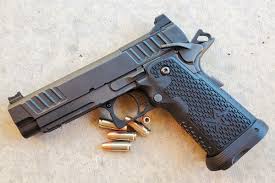
1. Make It Safe
-
Point the firearm in a safe direction
-
Remove the magazine (if applicable)
-
Open the action
-
Visually and physically check the chamber
-
Leave the action open while you work
2. Field Strip
-
Follow the manufacturer’s instructions
-
You typically remove:
-
Bolt or bolt carrier
-
For shotguns: barrel and sometimes the forend
-
-
No full disassembly needed for routine cleaning
3. Clean the Barrel
(Chamber to muzzle when possible)
-
Attach the correct-size bore brush
-
Apply solvent to the brush
-
Run it through the barrel several times
-
Switch to patches and push them through until mostly clean
Notes:
-
Rifles: You may need extra passes for carbon or copper fouling
-
Shotguns: Watch for plastic wad residue; it may take a few more brush passes
4. Clean the Action
-
Spray or apply solvent to:
-
Bolt or bolt carrier
-
Chamber area
-
Feed ramp (if applicable)
-
-
Use a nylon brush or cloth to remove buildup
-
Wipe everything dry
5. Lightly Lubricate
-
Apply a small amount of oil to:
-
Bolt lugs
-
Rails or contact points
-
Moving parts
-
⚠️ Do not over-oil, especially on shotguns — excess oil attracts dirt.
6. Reassemble
-
Put the firearm back together following the manual
-
Ensure everything seats correctly
7. Function Check
-
Cycle the action
-
Engage and disengage the safety
-
Make sure the firearm is unloaded and then dry fire (only if allowed by the manufacturer)
8. Final Wipe Down
-
Wipe exterior metal with a lightly oiled cloth
-
Remove fingerprints and moisture to prevent rust
How Often Should You Clean?
-
After every range session is ideal
-
At minimum:
-
Rifles: every few uses
-
Shotguns: when dirty or after heavy use
-
Simple Rule to Remember
Clean it. Lightly oil it. Don’t drown it.